Out lab applies trait-based approaches across ecosystems to understand community assembly, coexistence, resilience and ecosystem function in the face of climate change and anthropogenic disturbance.
Investigating Interactions between Climate and Disturbance
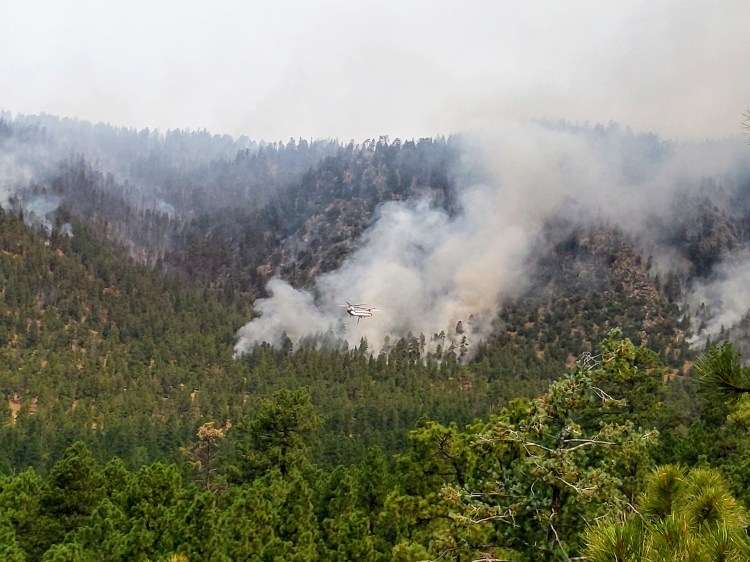
In 2019, 2000 acres of Ponderosa Pine forest burned just north of NAU. Beginning in 2020, we will establish warming chambers across this burn. This mixed-severity fire provides a unique opportunity to investigate the impacts of climate change on trait-based community assembly and ecosystem function across a burn gradient.
Vegetation Dynamics in Arid Ecosystems
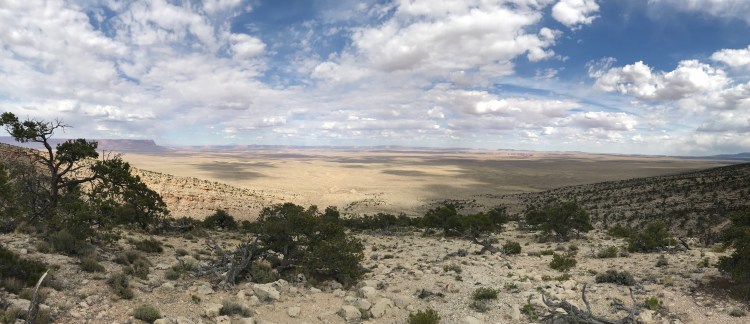
Arid grasslands of the southwestern USA have experienced a number of perturbations over the last century, including high-intensity grazing, ongoing low-intensity grazing, drought, increased aridity, and plant species introductions which have fundamentally altered ecosystem processes (e.g., fire return intervals) Our group is studying the impacts of these changes on arid grassland biodiversity leveraging rangeland ecosystems across the state of Arizona.
The Role of Intraspecific Variation for Resiliency
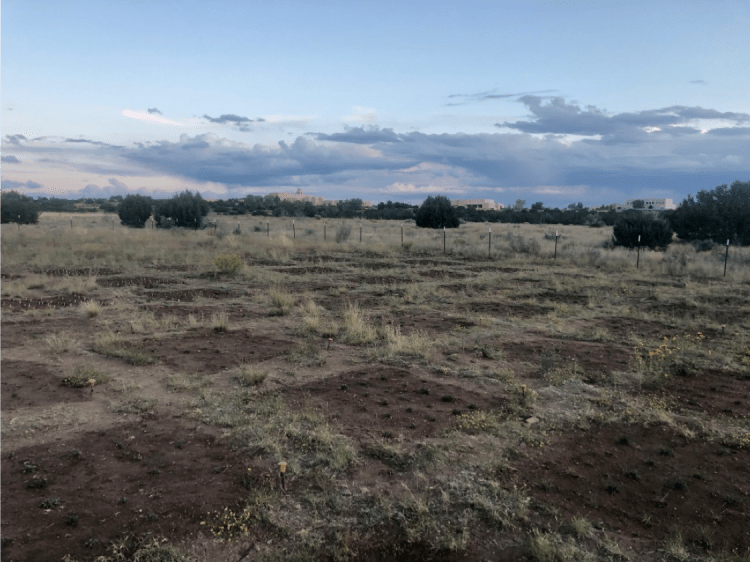
Variation in key plant traits can vary substantially between populations of the same species. This variation may contribute to species establishment, growth, and survival, and the production of key ecosystem services and functions under changing and less predictable conditions. We are quantifying variability in seed and plant traits in key restoration and native forage grass species to understand how we might better leverage this variation to bolster revegetation and restoration outcomes, as well as seed-collection and seed-increase efforts.
Ecological Impacts of Stinknet (Oncosiphon pilulifer)
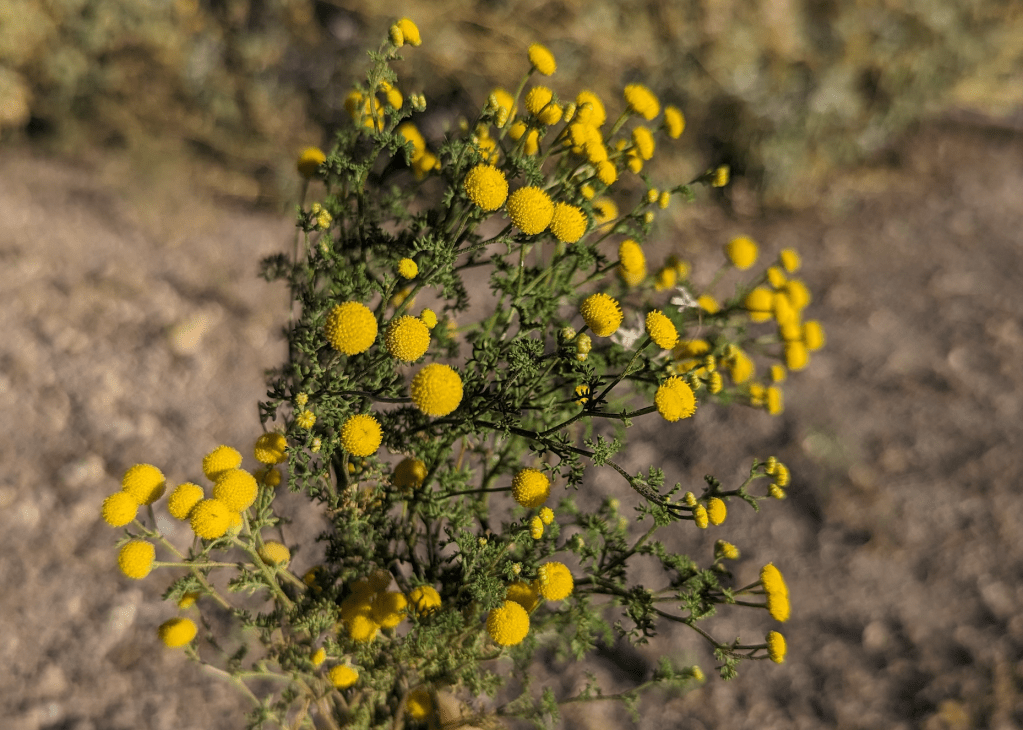
Stinknet, a winter annual, was first introduced to California in 1981 and has since rapidly expanded eastward, forming monocultures and filling spaces between perennials species. Very little is known about stinknet. We are examining the basic biology of the species, as well as evidence of trait change in its new range. We are also building mapping tools to understand the invasion potential of this plant both now, and in response to climate change.
FunEco Student Presentations
Check out the fabulous students of FunEco Lab presenting their research around the nation!


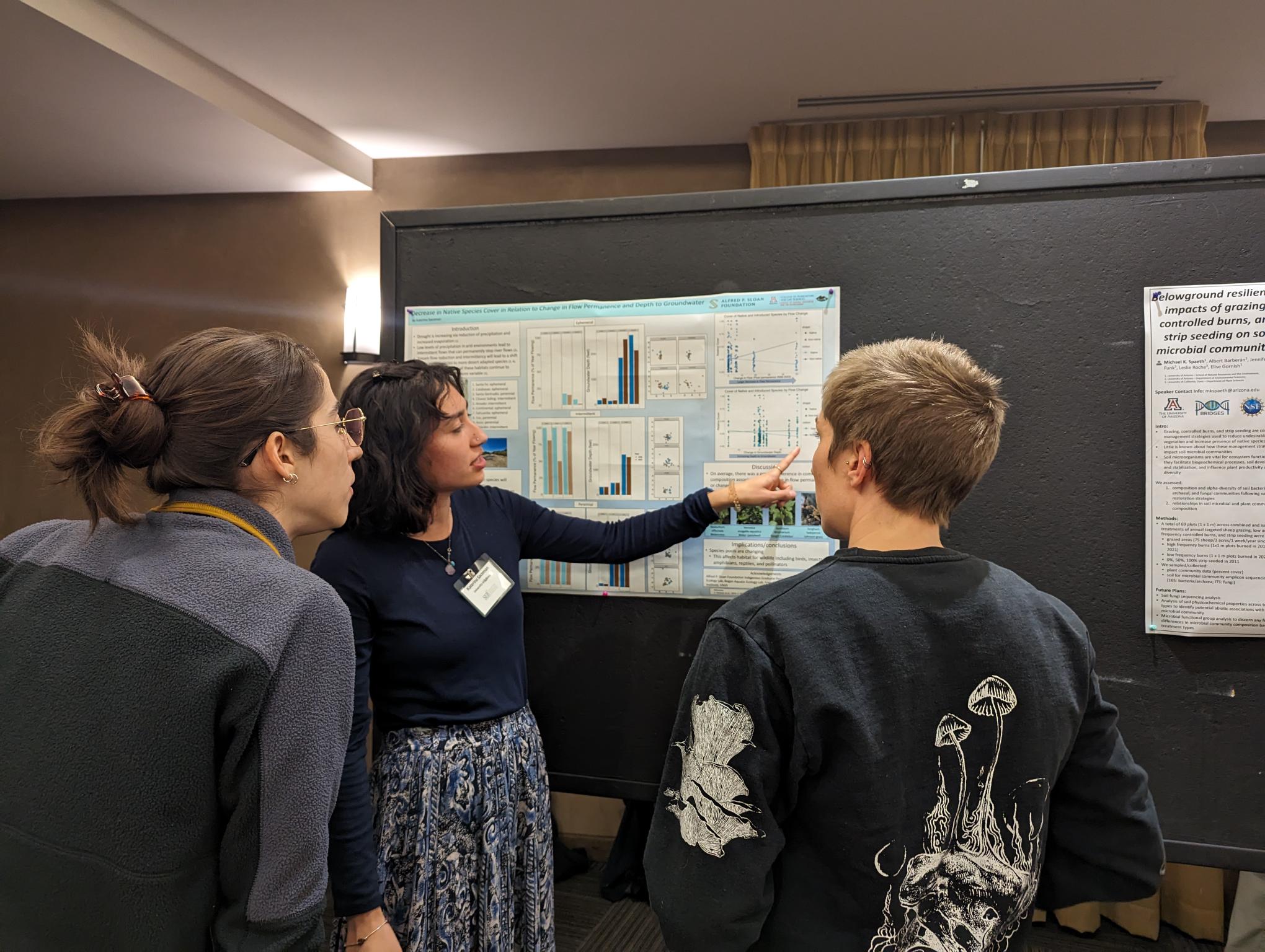
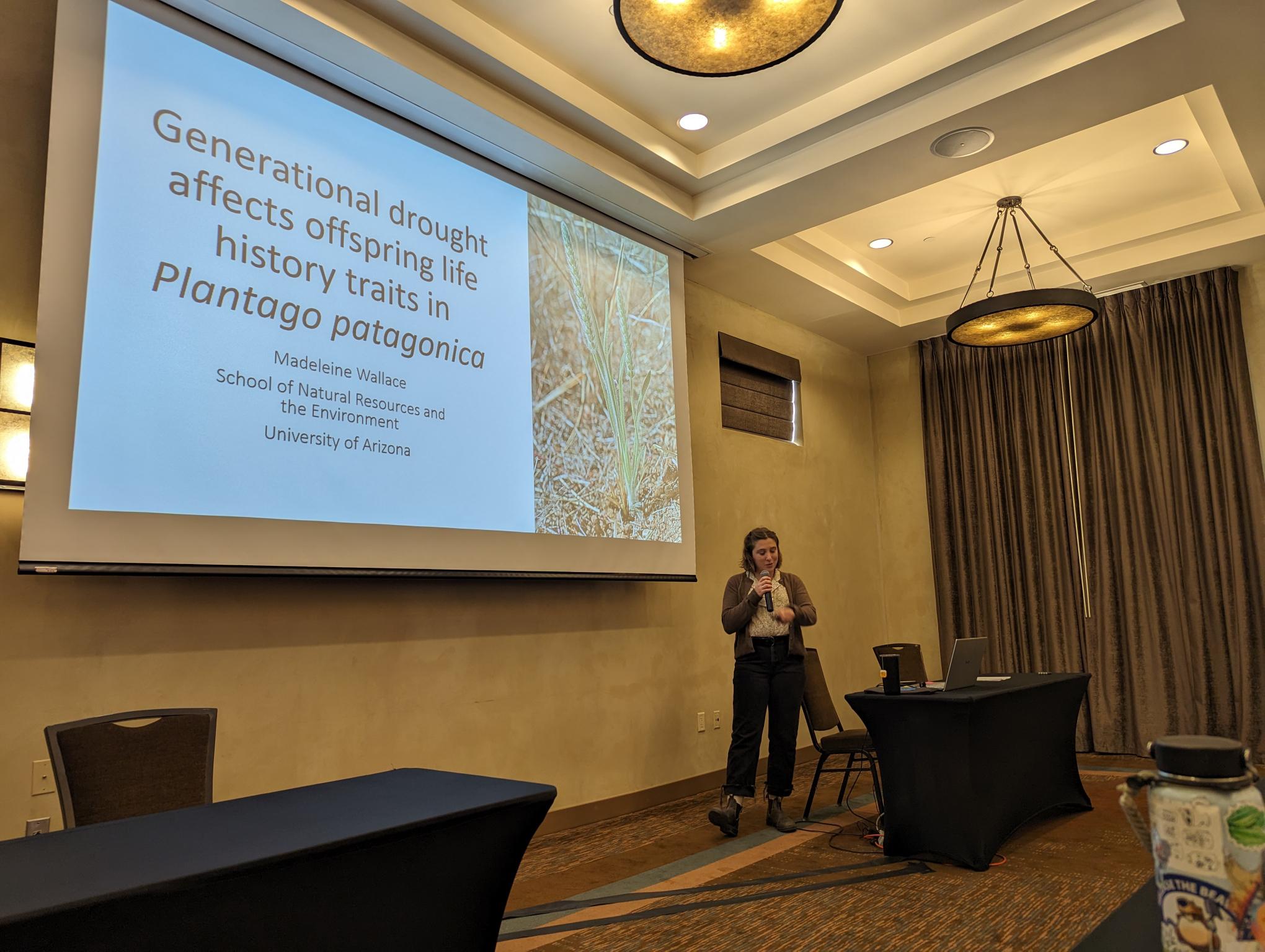
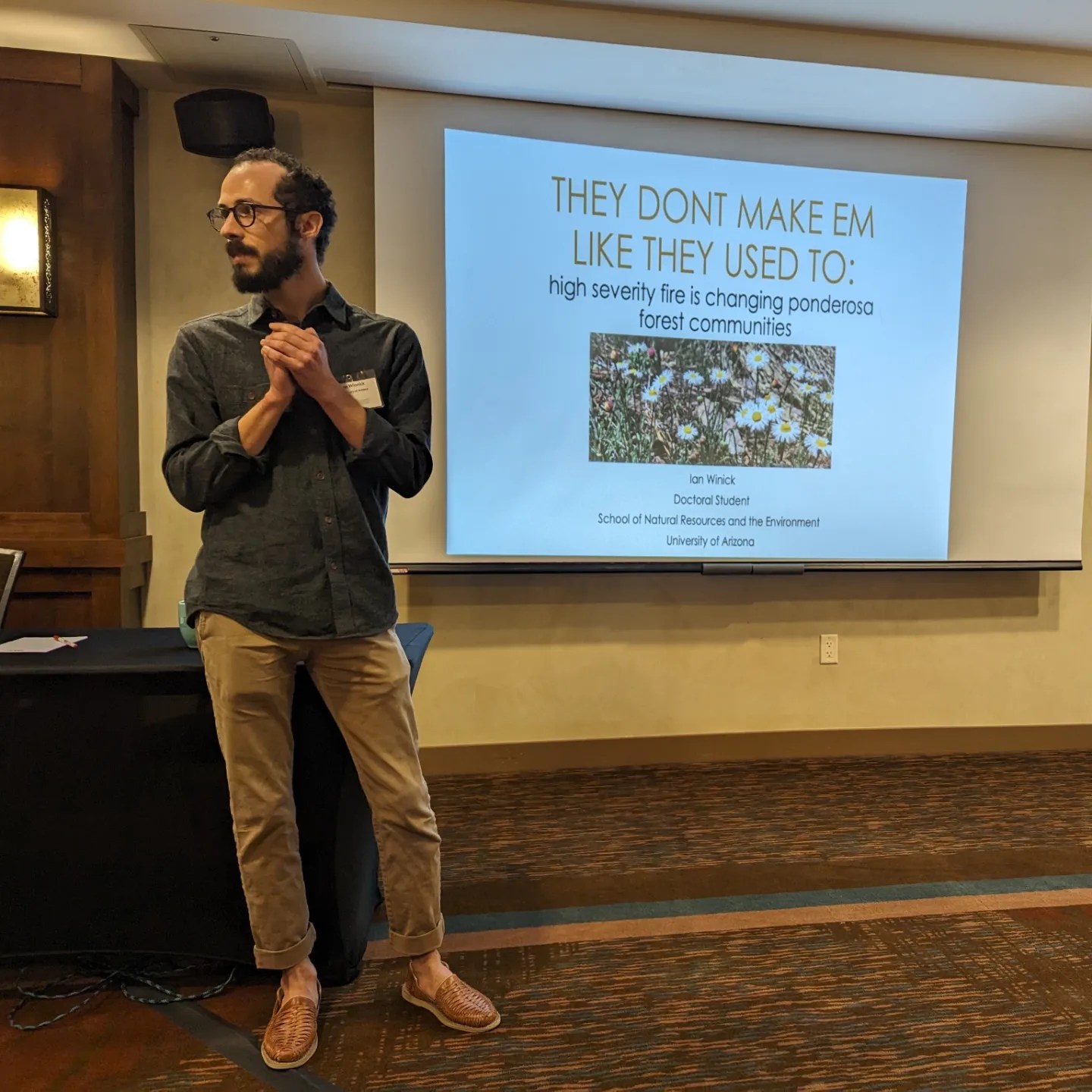

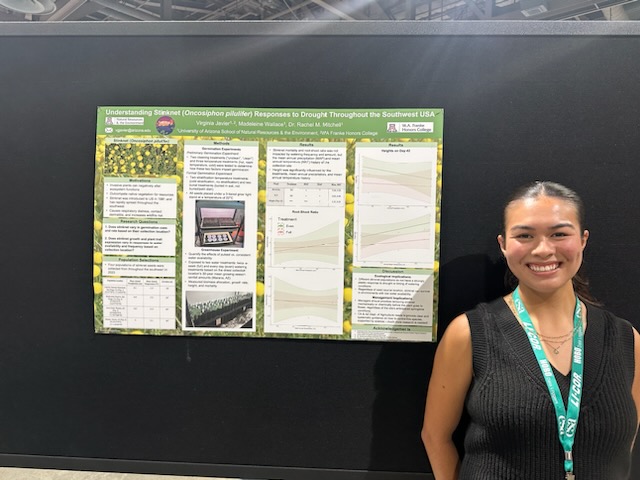
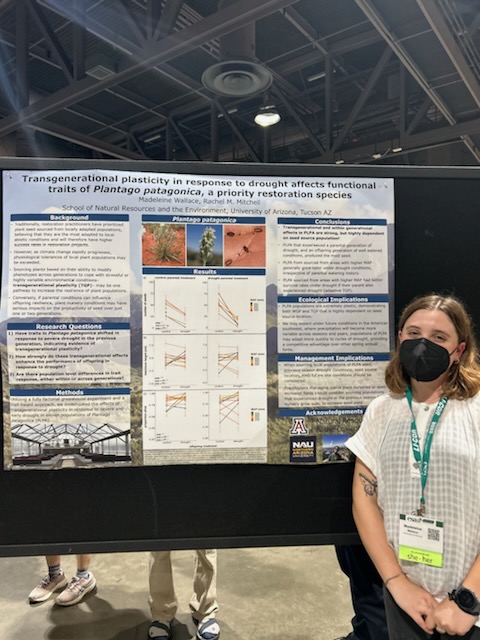

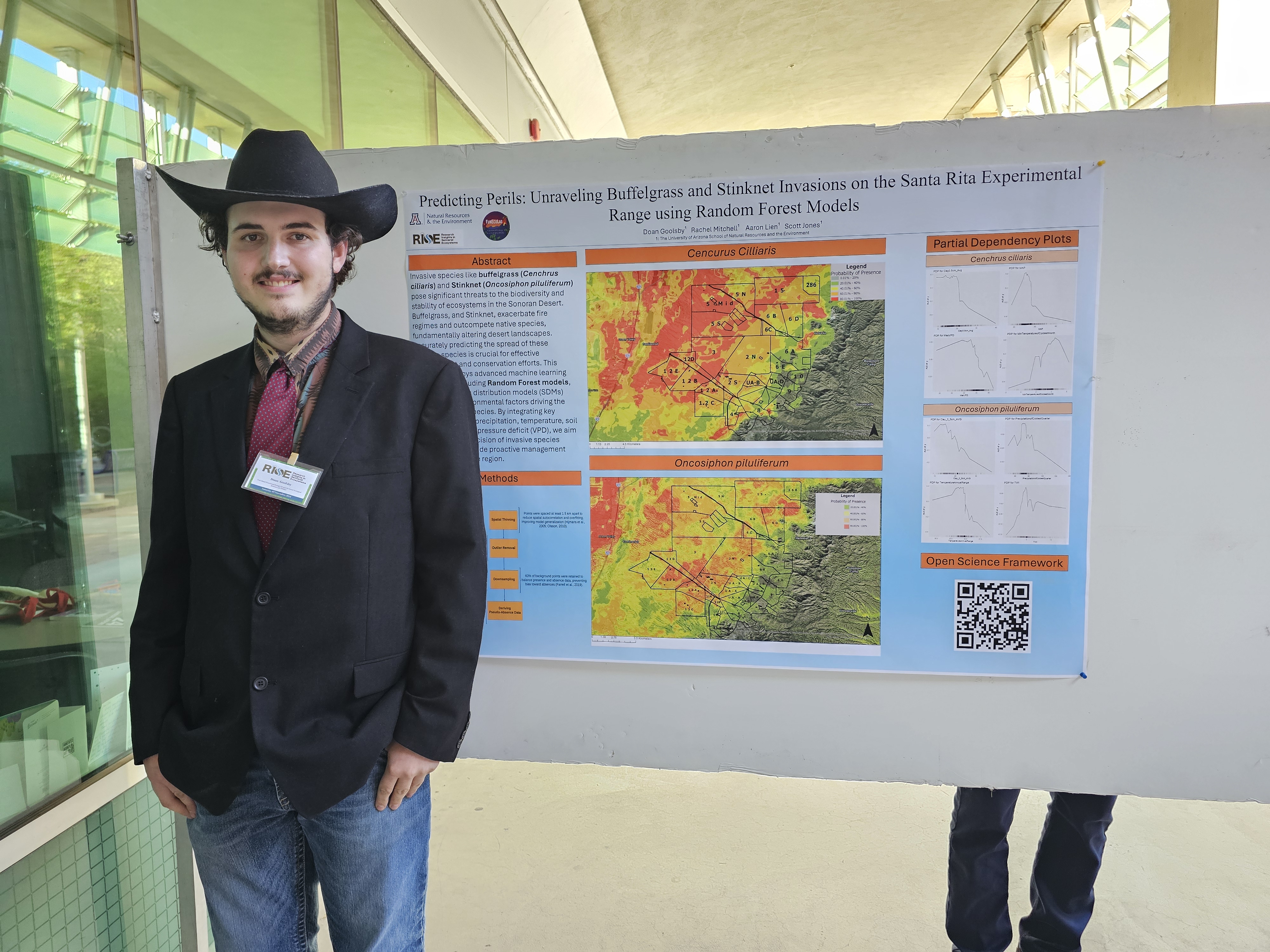
Clockwise from top: Kat Sacoman at SACNAS, Ethan Taber at ESA 2023, Kat Sacoman at SERSW 2023, Maddie Wallace at SERSW 2023, Ian Winick at SERSW 2023, Virginia Javier at 2024 Honor’s Research Symposium, Virgina, Maddie and Ian at ESA 2024, Doan Goolsby at UA RISE Symposim 2024.
 Trait-Based Ecology at The University of Arizona